Emergency Furnace Repair: What to Do Before Help Arrives
A furnace never seems to quit at a convenient time. It gives out on the coldest night of the year, right before guests arrive, or at 2 a.m. When the house has already started to feel like a garage. If you have ever stood over a thermostat in socks and a sweatshirt, willing the heat to kick on, you already know how fast a furnace problem goes from annoying to urgent.
The good news is that "no heat" does not always mean a catastrophic breakdown. I have seen plenty of emergency calls that turned out to be a tripped breaker, a filthy filter, a dead thermostat battery, or a furnace switch that got bumped during routine cleaning. I have also seen the opposite, where a homeowner kept resetting a furnace with a serious ignition or venting problem and made the situation worse. The trick is knowing what you can safely check, what you should never touch, and how to keep your home and family comfortable until professional Heating Services arrive.
First, decide whether this is an inconvenience or a true emergency
Not every furnace issue needs after-hours service, but some absolutely do. If your home is dropping into dangerous temperatures, if there are elderly family members, babies, or anyone with health conditions in the house, the bar for "emergency" gets lower fast. The same is true if outside temperatures are in the teens or lower, or if you have pipes at risk of freezing.
A strange smell also changes the equation. A brief dusty odor the first time the heat runs after sitting idle is common. That usually burns off quickly. A strong electrical smell, the odor of melting plastic, visible smoke, or anything that suggests overheating is different. So is the rotten egg smell associated with natural gas. If you ever suspect a gas leak, do not keep troubleshooting. Get everyone out, leave the doors as they are, and call the gas utility or emergency services from outside.
Carbon monoxide concerns also fall into the emergency category. If your CO detector goes off, treat it seriously, even if nobody feels sick yet. Headache, dizziness, nausea, confusion, and unusual fatigue can all be warning signs. Furnaces are generally safe when they are installed and vented correctly, but cracked heat exchangers, blocked flues, or combustion issues are not things to gamble with.
What to do in the first ten minutes
When the heat stops, most people go straight to the thermostat, and that is actually the right instinct. Before you assume you need Furnace repair, take a breath and do a quick, calm sweep of the basics.
Here is the short version of what is worth checking right away:
- Set the thermostat to heat and raise the temperature 3 to 5 degrees above room temperature.
- Check the furnace power switch, the electrical panel, and the emergency shutoff if your system has one nearby.
- Look at the air filter if you can access it safely.
- Make sure all supply vents and at least one or two return grilles are open and unobstructed.
- Listen and observe, then stop if you hear grinding, see sparks, or smell gas.
That little sequence solves a surprising number of no-heat calls. It is simple, but there is some judgment involved, especially with older equipment.
Start with the thermostat, because it lies more often than people think
Thermostats cause more confusion than they get credit for. Sometimes the problem is as simple as the system being switched to cool or off by mistake. Sometimes the fan is set to on instead of auto, which can make the blower run without heat and trick you into thinking the furnace is doing something useful when it is not.
If your thermostat uses batteries, replace them even if the screen is still lit. Weak batteries can create weird behavior, especially on older digital models. If the screen is blank, that does not always mean the thermostat itself is dead. It might mean the furnace is not sending low-voltage power to it because of a blown fuse, a tripped float switch on a shared HVAC setup, or a control issue inside the unit.
If you have a smart thermostat, check whether it is actually calling for heat. Sometimes Wi-Fi connected thermostats throw an error code, lose scheduling settings, or get stuck during updates. Fancy controls are great when they work. When they do not, a basic manual override is worth knowing.
Check the easy power issues before assuming the furnace failed
Most furnaces have more than one place where power can get interrupted. There is usually a service switch mounted on or near the unit that looks a lot like a regular light switch. It gets bumped all the time. I have seen this happen during laundry day, when someone moved storage bins, and after a basement painter finished up and flipped the wrong switch.
Then there is the breaker panel. A furnace breaker does not always look fully tripped. Sometimes it sits in that halfway position that is easy to miss. Reset it once if needed. If it trips again right away, stop there. Repeated resets can point to a blower motor issue, a short, or another electrical fault that needs a technician.
Some gas furnaces also have a door safety switch. If the front panel is not seated properly after someone changes the filter, the unit may not run at all. That one catches people every winter.
The filter matters more than most homeowners realize
A clogged filter can absolutely shut a furnace down, especially a modern high-efficiency model with safety limits. When airflow gets restricted, the heat exchanger overheats, and the system may trip the high-limit switch. The furnace might start, run briefly, then shut off before the house warms up. That short cycling is a classic symptom.
If the filter looks packed with dust, pet hair, drywall debris, or that gray felt-like blanket that develops over time, replace it. If you do not have a spare on hand, remove the dirty filter only long enough to confirm whether airflow improves, then shut the system back down until you can install the correct replacement. Running too long without a filter is asking for trouble, especially if the blower compartment is exposed to household dust.
Filter size matters, and so does filter type. I have walked into homes where someone stuffed the wrong size filter into the rack or used an ultra-restrictive filter on an older system that could not handle the extra resistance. Better filtration sounds good in theory, but if airflow drops too much, performance suffers and components wear out faster. This is one reason regular Furnace Services matter even when the unit seems to be running fine.
If you have a gas furnace, know what normal startup sounds like
A furnace has a sequence. Once you have heard it enough times, you can tell when that sequence is breaking down. On a typical gas furnace, you may hear the thermostat click, then a small inducer motor starts. After that, the igniter glows or sparks, the gas valve opens, burners light, and finally the blower comes on after a short delay.
If you hear the inducer and then several attempts to ignite, followed by shutdown, you could be dealing with a dirty flame sensor, igniter issue, gas supply problem, pressure switch fault, or venting problem. Some homeowners can clean a flame sensor safely if they know exactly what they are doing, but I generally do not recommend turning an emergency call into a parts-experiment project on a freezing night. It is too easy to misdiagnose the issue.
If the blower runs but the air is cold, it could still be a furnace issue rather than a thermostat issue. The unit may be failing to light, or it may have overheated and locked itself into a blower-only mode. Either way, repeated power cycling is not a fix.
Look for the error code, because the furnace is often trying to tell you something
Many modern furnaces have a small viewing port on the front panel where you can see a blinking LED. That light often flashes in a pattern that corresponds to an error code listed on a sticker inside the panel door. It is not magic, but it can point you in the right direction. Pressure switch open. Limit circuit fault. Ignition failure. Reversed polarity. Those codes help narrow things down.
The catch is that the code tells you what condition the control board sees, not always the root cause. A pressure switch code, for example, might mean a failed switch, but it could also mean a blocked intake, a vent obstruction, water in the condensate line, or an inducer problem. That is where experienced Furnace services Furnace repair techs earn their keep. Diagnosis is rarely about replacing the first part that sounds suspicious.
Still, if you can read the code and share it when you call for Heating Services, that saves time. Good dispatchers and technicians appreciate useful details.
Snow, ice, and blocked vents are common winter troublemakers
High-efficiency furnaces usually vent through PVC pipes to the outside. During extreme weather, those vent terminations can get blocked by drifting snow, frost buildup, or even a crust of ice. I have seen systems lock out because a homeowner piled shoveled snow right over the intake and exhaust area without realizing what those pipes were for.
If your vent pipes terminate at ground level or through a sidewall, go take a look. Clear away snow carefully, and do not break or force anything. If you see heavy icing, that can signal a venting or condensate issue beyond simple weather exposure. Standard efficiency furnaces that vent through a metal flue can also run into trouble if birds, debris, or deterioration interfere with proper drafting, though that is less of a quick visual check.
A similar problem can happen at the condensate drain on a high-efficiency furnace. If the line freezes, clogs, or backs up, the furnace may shut down as a safety measure. You might notice water around the base of the unit or hear gurgling. That usually needs service, but spotting it early helps.
What not to do while you wait
When the house is getting colder by the hour, people get creative. Some of that creativity is harmless. Some of it is genuinely dangerous.
Avoid these common mistakes:
- Do not keep hitting reset or cycling power over and over.
- Do not use your oven or stove burners to heat the house.
- Do not bypass door switches, pressure switches, or other safeties.
- Do not open the burner compartment and start loosening gas components.
- Do not ignore gas smell, smoke, or a carbon monoxide alarm.
I understand the temptation. If the furnace fires once after a reset, it feels like progress. In reality, repeated resets can flood a chamber, overheat components, or erase useful fault history before the technician arrives. And using cooking appliances for space heating creates fire and carbon monoxide risk fast, especially in tight homes.
How to keep the house livable until help arrives
Once you have done the safe basics and called for service, shift into damage control mode. The goal is to hold onto the heat you still have and protect vulnerable parts of the house.
Close blinds and curtains, especially on older windows. Use towels or draft stoppers at doors if you have obvious air leaks. Gather people into one or two rooms rather than trying to occupy the whole house. Add layers before the chill gets into your bones. It is much easier to stay warm than to get warm again once everyone is cold and cranky.
If you have space heaters, use them carefully. Plug them directly into the wall, never into an extension cord or power strip. Keep them several feet from bedding, curtains, paper, and furniture. Modern space heaters with tip-over protection are a lot better than the old glowing-coil models, but they still need respect.
If temperatures are falling toward freezing, think about plumbing. Open cabinet doors under sinks on exterior walls so warmer room air can reach the pipes. Let faucets trickle if you are in serious freeze territory. That tiny stream costs less than repairing a burst pipe and water damage behind drywall.
For homes with basements or crawlspaces, keep interior doors open enough for heat to circulate to plumbing routes. People often focus on comfort upstairs and forget that the coldest risk is hidden behind insulation and framing.
A quick word on propane, oil, and electric furnaces
Not every heating system behaves the same way. Gas furnaces get most of the attention, but electric furnaces, heat strips, propane systems, and oil-fired equipment all have their own failure patterns.
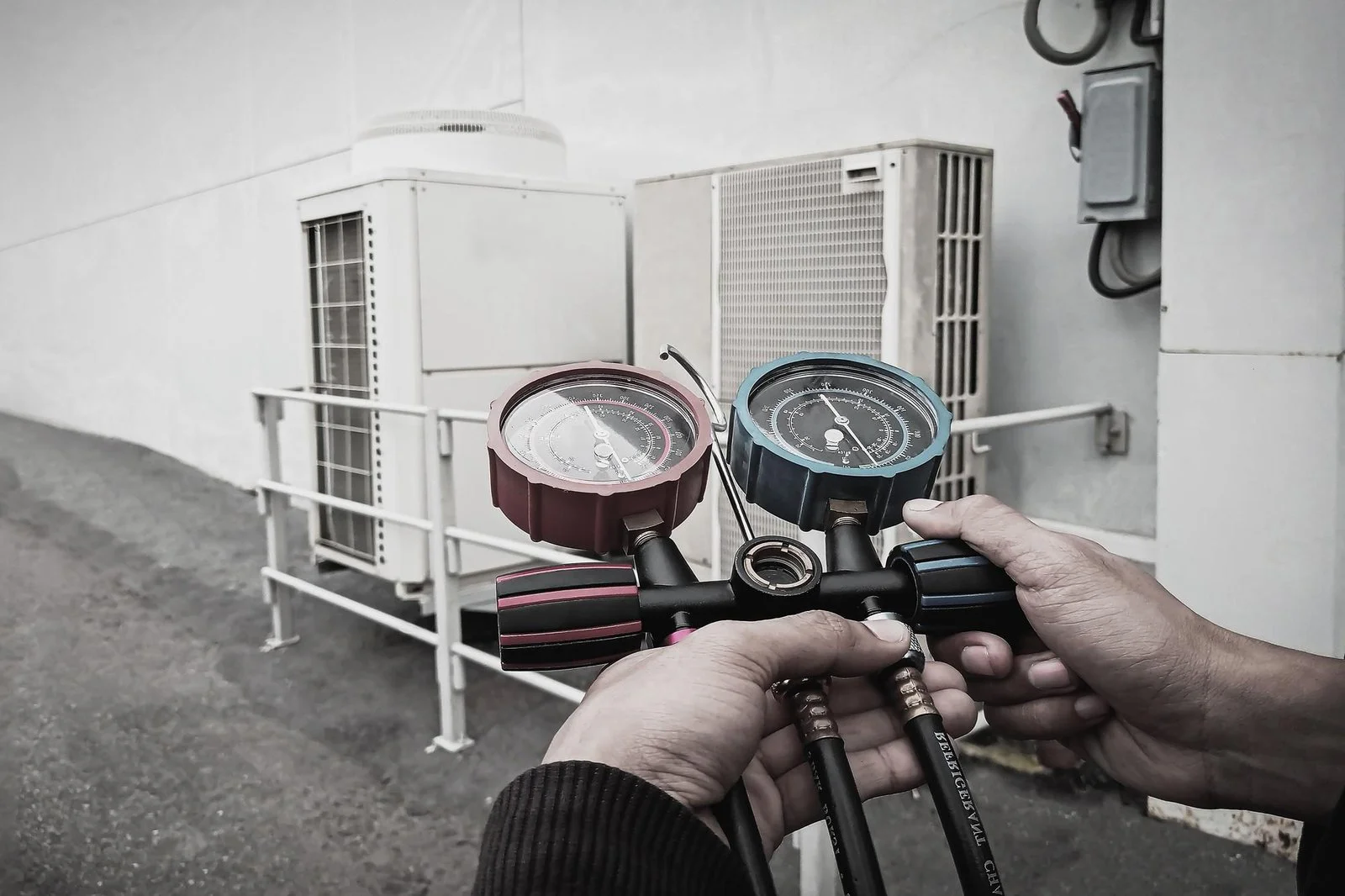
Electric furnaces often fail at breakers, sequencers, heating elements, or blower components. They can produce some heat even when part of the system has failed, which confuses diagnosis. If the air feels lukewarm instead of truly warm, that can be a clue.
Propane systems add one more variable, fuel supply. If the tank is low or empty, the furnace obviously cannot heat. During storms and holiday weekends, I have seen homeowners assume they need Furnace repair when the real problem was a delivery delay and a tank sitting at zero.
Oil systems are a little more particular. They can lock out after a failed ignition attempt, and the reset button is not something to play with repeatedly. One press can be reasonable. Repeated pressing can dump unburned fuel and create a bigger mess. If you have oil heat and the system has locked out, that is often a stop-and-call moment.
This is also where the broad category of Heating Services matters. A company that handles only one kind of equipment may not be the best fit if your home uses a less common setup or hybrid system.
When emergency repair turns into a bigger conversation
Sometimes the tech arrives, swaps an igniter or flame sensor, and you are back in business in an hour. Sometimes the visit leads to harder choices. If your furnace is 18 to 25 years old, parts are failing, and the heat exchanger is compromised, a repair may not be the smartest use of money.
This is where homeowners understandably feel cornered. Nobody likes hearing "you may need a new furnace" when the house is cold and the timing is terrible. But there are cases where Furnace Replacement is the honest recommendation. Heat exchangers, obsolete control boards, recurring motor failures, and poor efficiency can make an old unit more expensive to keep alive than to replace.
That does not mean every emergency call should turn into a sales pitch. A good technician explains the condition of the equipment, shows you the failed part or the relevant readings, and gives you realistic options. For some homes, a repair buys another season or two. For others, Furnace Installation is the clean break that ends a cycle of breakdowns.
The same goes for systems that were never sized or installed properly in the first place. I have seen homes with beautiful new thermostats and brand-new duct sealing, but an undersized furnace that could never keep up in deep winter. In cases like that, proper Heating Installation and load calculation matter more than replacing random parts.
Questions worth asking when you call for help
You do not need to speak HVAC fluently, but a little information helps. Tell the company whether the furnace is gas, electric, oil, or propane. Share the brand if you know it, the approximate age if you know it, and what it is doing or not doing. "The blower runs but the air is cold" is better than "it broke." "Two flashes on the control board" is even better.
Ask about emergency response windows and after-hours charges up front. Ask whether they stock common parts for your type of system. If your home has children, elderly residents, or medical concerns, say so. Reputable companies prioritize those calls when they can.
This is also a good time to mention any recent events that may be related. Power outage. Remodeling dust. A filter change. A strange noise last week. Water near the furnace. Snow piled against the side of the house. Small details often crack the case.
The best way to avoid a middle-of-the-night furnace crisis
Most emergency furnace failures give a few warning shots before the full shutdown. Homeowners often tell me the unit had been getting louder, cycling more often, blowing cooler air, or taking longer to heat the house for a week or two. They hoped it would ride out the season. Sometimes it does. Sometimes it picks the coldest night of the year to prove a point.
Annual maintenance really does make a difference, not because it guarantees perfection, but because it catches the boring stuff before it becomes urgent. Dirty flame sensors, weak capacitors, failing igniters, cracked hoses, loose wiring, blocked drains, blower wheel buildup, and airflow issues are easier to deal with on a mild afternoon than during an overnight freeze.
That is the practical value of regular Furnace Services. It is not glamorous. Nobody posts photos of a cleaned burner assembly. But steady maintenance tends to mean fewer emergency calls, lower utility bills, and more predictable winters.
If your furnace is older, maintenance also gives you time to plan. Instead of making a rushed decision under pressure, you can think through Furnace Replacement, compare efficiency levels, and schedule Heating Installation before you are desperate. Emergency decisions are rarely the cheapest or most comfortable ones.
If you remember only one thing, make it this
When a furnace stops working, start with the simple, safe checks. Thermostat. Power. Filter. Vents. Visible vent blockage outside. Pay attention to smells, sounds, and error codes. The moment you suspect gas, smoke, or carbon monoxide, stop troubleshooting and get help.
Everything after that is about judgment. Some problems are small. Some are not. The smartest homeowners are not the ones who take the furnace apart on a freezing night. They are the ones who know where the line is between a basic check and a dangerous guess, then call for expert Heating Services before a bad situation turns worse.
A warm house in January depends on a system that is easy to ignore when it is working. When it suddenly is not, a calm response beats a panicked one every time.
Corrections
Spot something wrong? Send it to the desk and it gets fixed in the open.